1
Sale!
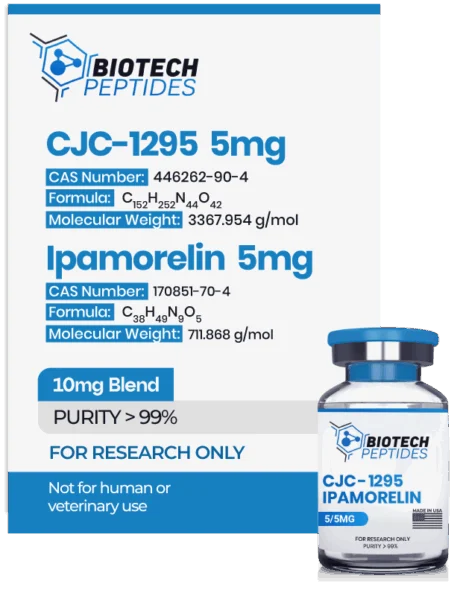


CJC-1295 & Ipamorelin Blend (10mg)
Original price was: $81.00.$73.00Current price is: $73.00.
CJC-1295 & Ipamorelin blend is Synthesized and Lyophilized in the USA.
Description
Peptides for Weight Loss: The 2025 Guide for Modern Research
Peptides are becoming one of the most searched topics in the health and wellness world — especially peptides for weight loss. Researchers are exploring how certain peptides may support fat metabolism, appetite signaling, gut balance, and energy regulation.
Because peptide science continues to evolve rapidly, many research teams and peptide buyers are looking for formulations that offer the most promising effects in metabolic studies. If you’re trying to understand how peptides for weight loss work and which types researchers are focusing on in 2025, this complete guide breaks everything down for you.
What Are Peptides for Weight Loss?
Peptides for weight loss are short chains of amino acids studied for their potential role in metabolic regulation. These compounds may influence glucose management, fat oxidation, appetite signals, mitochondrial function, and digestive balance.
Although they are not approved for human use or medical treatment, many peptides are widely used in laboratory research to help scientists better understand weight-regulation pathways.
Some of the most common categories of weight-loss peptides include:
-
Metabolic peptides
-
Appetite-signaling peptides
-
Gut health peptides
-
Energy-regulation peptides
Each category plays a different role in modern metabolic research, making peptides a major point of interest in today’s scientific community.
7 Peptides for Weight Loss Being Explored in Modern Research
Researchers are studying several peptides that may support weight-loss-related pathways. Here are seven of the most prominent:
1. GLP-1 Analog Peptides
Peptides modeled after GLP-1 may help regulate appetite signals, glucose levels, and fullness cues. They are among the most widely researched peptides in metabolic science today.
2. GIP/GLP Multi-Agonist Peptides
These dual-pathway peptides are being studied for their ability to influence insulin response, energy balance, and fat metabolism, making them strong contenders in weight-management research.
3. AOD9604
Known as a modified fragment of the growth hormone peptide sequence, AOD9604 is often studied for its potential to support fat breakdown and metabolic flexibility.
4. MOTS-c
This mitochondrial peptide is researched for its impact on cellular energy production, endurance, and fat utilization, especially in metabolic-stress environments.
5. 5-Amino-1MQ
5-Amino-1MQ targets specific pathways connected to fat metabolism and adipocyte activity. Research suggests it may help reduce metabolic slowdown associated with weight gain.
6. BPC-157 (Metabolism-Related Studies)
Although better known for recovery and gut health, researchers also examine BPC-157 for its potential indirect effects on digestive balance, nutrient absorption, and inflammation, which can influence weight-related pathways.
7. CJC-1295 + Ipamorelin
This peptide blend is often explored for its potential role in fat metabolism, recovery, sleep quality, and lean-mass balance, all of which may influence long-term weight regulation.
Together, these peptides for weight loss represent some of the most exciting areas of metabolic science in 2025.
How Peptides for Weight Loss Work in Research
Peptides may influence several key biological pathways:
✔ Appetite & Satiety Signals
Some peptides help researchers examine how hunger and fullness cues affect calorie intake.
✔ Fat Metabolism & Oxidation
Certain peptides appear to support the breakdown and use of stored fat for energy.
✔ Insulin & Glucose Regulation
Balanced glucose levels help prevent cravings and caloric overconsumption.
✔ Mitochondrial Function
More efficient cellular energy can lead to improved metabolic output.
These combined effects explain why peptides are leading modern scientific discussion around weight-management studies.
Why Quality Matters When Buying Peptides
For accurate research outcomes, always buy peptides that offer:
-
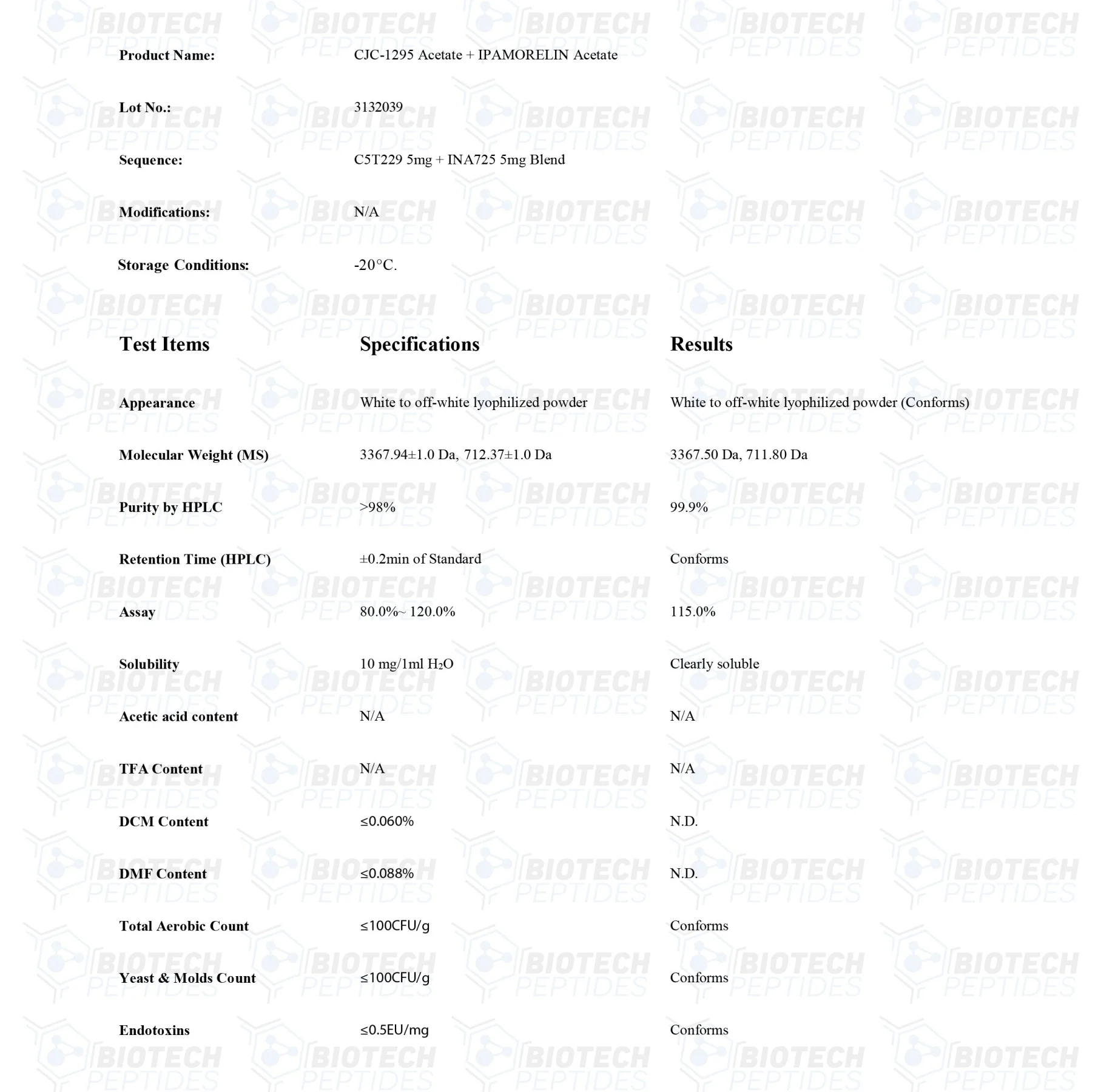
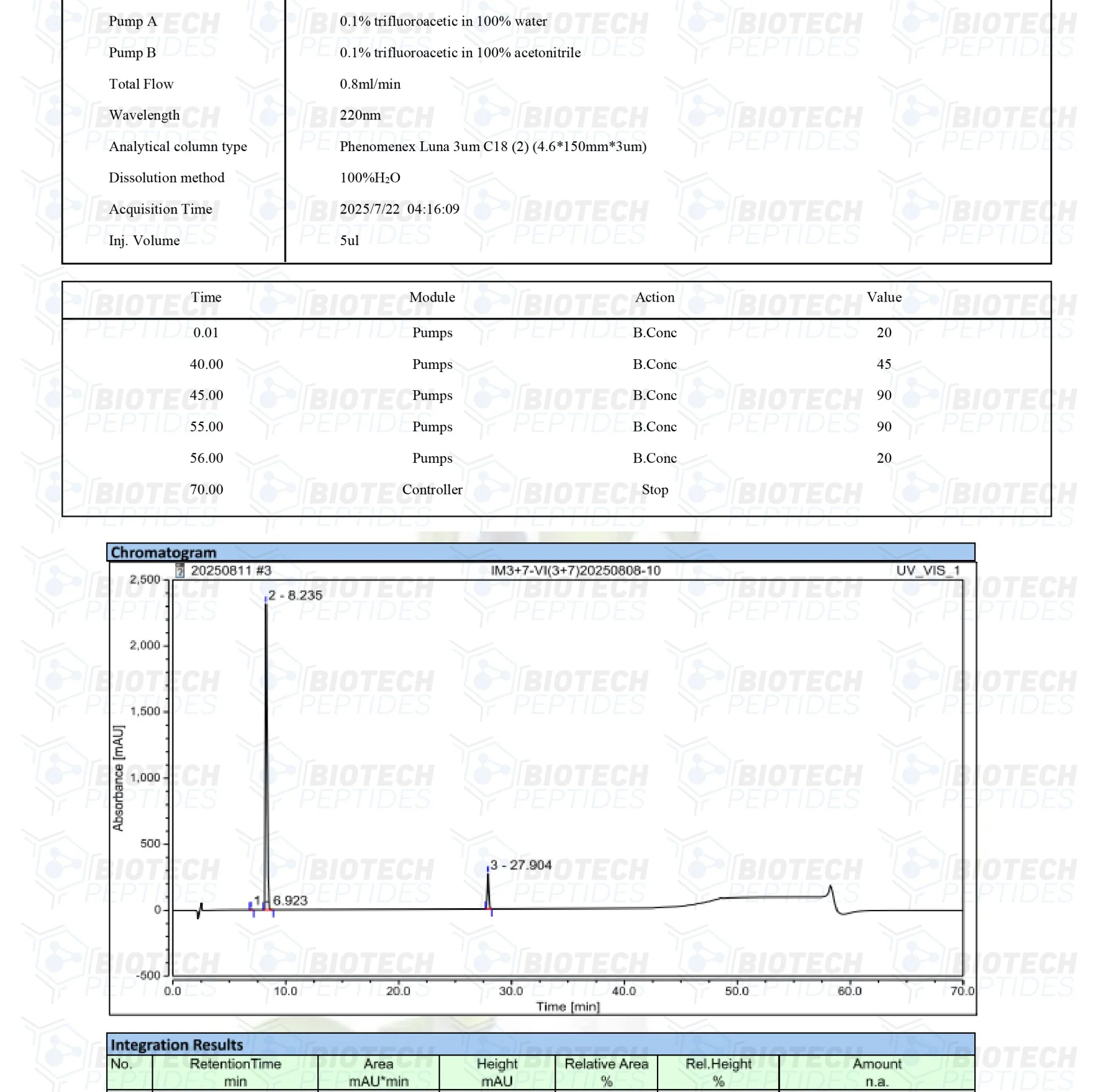
High purity (≥99%)
-
HPLC & Mass-Spec verification
-
GMP-certified production
-
Certificates of Analysis (COAs)
Quality peptides deliver consistent and trustworthy research data.
Storage & Handling Guidelines
-
Store lyophilized peptides at –20°C or below.
-
Keep reconstituted peptides refrigerated (2–8°C).
-
Avoid exposing peptides to heat, moisture, or repeated freeze-thaw cycles.
Peptides for weight loss are strictly for laboratory research only and not approved for medical or human use.
Final Thoughts
Peptide science is transforming the way researchers understand weight management, fat metabolism, and energy balance. As interest in peptides for weight loss grows, choosing reliable, high-quality peptides is the key to generating valuable research data and staying ahead in today’s competitive wellness market.
Related products
-
Melanotan 1 10 mg
$40.00 Add to cart Compare -
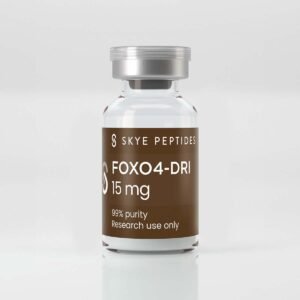
FOXO4-DRI 15 mg
$149.00 Add to cart Compare -
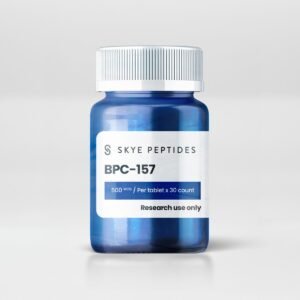
BPC-157 500 mcg (30 tablets)
$60.00 Add to cart Compare -
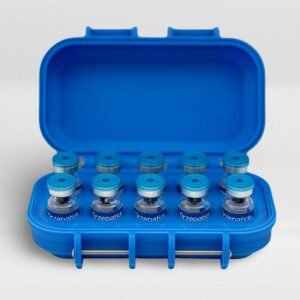
“Skye Pack” Ten Vial Set
Price range: $449.00 through $1,699.00 Select options This product has multiple variants. The options may be chosen on the product page Compare
Reviews
There are no reviews yet.